
Safety Benefits Of Professional Gas Piping Installation
Hiring local contractors for professional gas piping installation ensures safety benefits by reducing leaks, preventing hazards, and ensuring proper code compliance for your home or business.
Understanding the safety benefits of professional gas piping installation is essential for property owners who rely on natural gas for heating, cooking, or other appliances. Properly installed gas piping reduces the risk of leaks, which can lead to dangerous situations such as fire hazards or carbon monoxide exposure. Engaging experienced service providers ensures that the installation adheres to safety standards and local codes, providing peace of mind for homeowners and business owners alike. As property owners explore this topic, they can find reassurance knowing that local contractors specializing in gas piping are equipped to deliver safe, reliable solutions tailored to their specific needs.
For those in the area considering upgrades or new installations, working with qualified professionals can make a significant difference in preventing potential hazards. Proper installation minimizes the chances of corrosion, damage, or improper connections that might compromise safety over time. Local service providers understand the unique requirements of the community and can implement best practices to ensure that gas piping systems operate safely and efficiently. Continuing to explore the safety benefits of professional gas piping installation can help property owners make informed decisions that prioritize long-term safety and dependability.
- Residential Gas Line Installation - homeowners planning to upgrade or replace existing gas lines can rely on local contractors to ensure proper installation that minimizes leaks and hazards.
- Commercial Gas Piping Services - businesses requiring safe and reliable gas piping for their operations often seek local pros to handle complex setups with safety in mind.
- Gas Line Repair and Replacement - when gas lines show signs of damage or wear, local service providers can perform repairs that reduce the risk of leaks and ensure safety standards are met.
- Gas Appliance Hookups - installing new gas-powered appliances requires precise piping work, which local pros approach with a focus on preventing leaks and ensuring safe operation.
- Gas Line Inspection and Testing - routine inspections by local contractors can identify potential safety issues early, helping to prevent accidents caused by faulty piping.
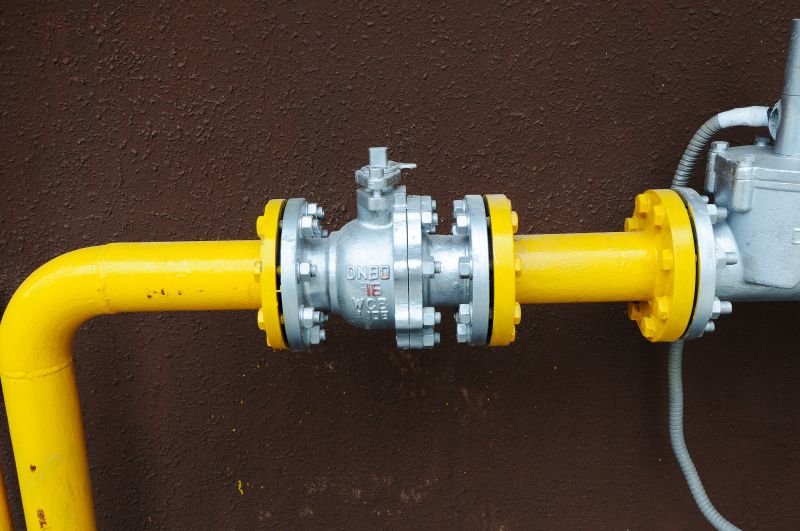
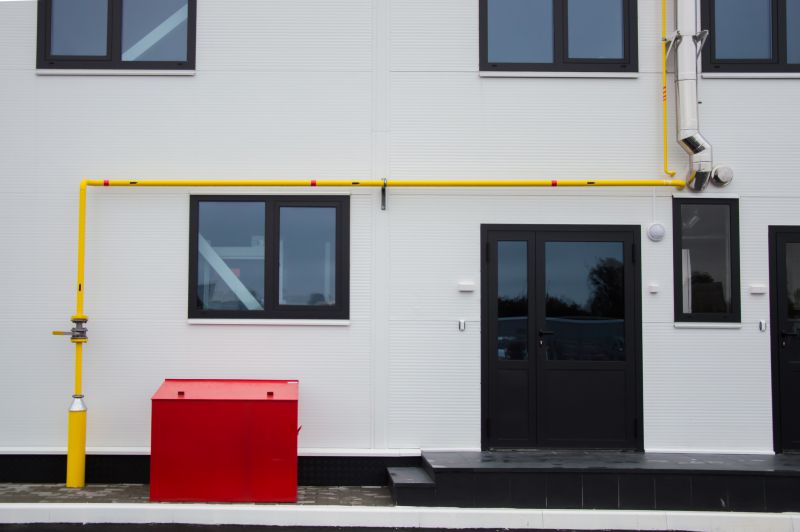
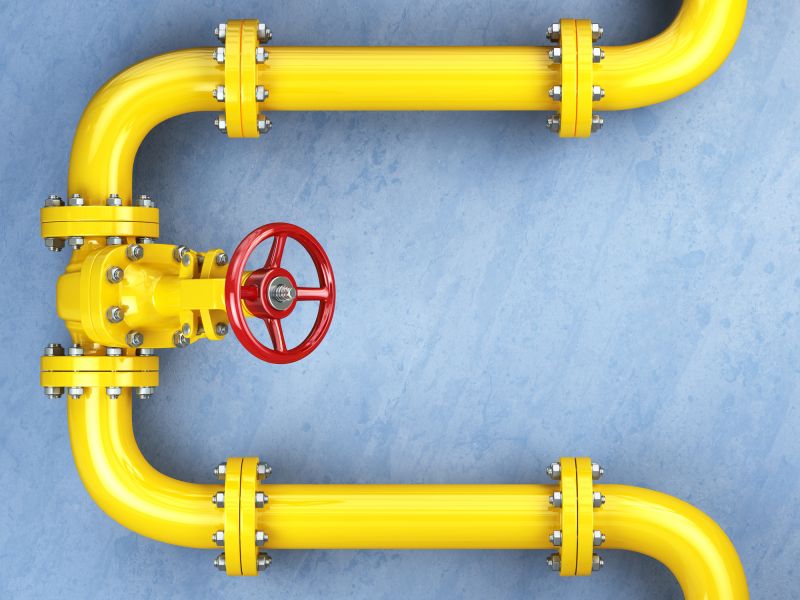
When searching for information on the safety benefits of professional gas piping installation, homeowners are typically interested in understanding how proper installation can prevent hazards associated with gas leaks, fires, and explosions. Many people are planning to upgrade or replace existing gas lines in their homes or properties, often due to aging infrastructure or new appliance installations. They want reassurance that the work will be done correctly to minimize risks, ensuring the safety of their families and property. This topic also relates to concerns about the long-term reliability of gas systems, as improper installation can lead to sudden failures or dangerous leaks that are difficult to detect without professional expertise.
Gas piping installation is often connected to projects involving new construction, renovations, or upgrades to existing systems. Homeowners may be considering installing new gas appliances such as water heaters, stoves, or fireplaces, which require safe and secure piping. Others might be replacing old, corroded pipes to prevent leaks or damage. These plans involve understanding the importance of proper routing, sealing, and securing of gas lines to prevent accidental disconnections or leaks. Local service providers with experience in gas piping can help ensure that these projects meet safety standards, reducing the chances of costly or dangerous issues down the line.
The types of properties that come up in discussions about professional gas piping installation typically include single-family homes, multi-family residences, and small commercial buildings. In residential settings, gas piping is often used for heating systems, kitchen appliances, and outdoor grills. In larger or commercial properties, the scope can extend to more complex gas systems for industrial equipment or multiple appliances. Regardless of property size, the focus remains on ensuring that the gas piping is installed correctly to prevent leaks and hazards. Homeowners with existing gas lines or those planning new installations should consider professional services to handle the complexities involved and to ensure that safety remains a top priority throughout the project.
Local contractors who specialize in gas piping installation play a vital role in helping homeowners achieve safe, reliable systems. These professionals understand the specific requirements for different property types and are equipped to handle various installation challenges. They can assess existing infrastructure, recommend appropriate piping materials, and ensure proper connections and sealing. By working with experienced service providers, homeowners can reduce the risk of leaks, fires, or other safety concerns that might arise from improper installation. Connecting with local pros ensures that gas piping projects are completed with attention to safety details, providing peace of mind that the system is secure and compliant with relevant standards.
Gas line repair projects - these involve working with existing piping systems and require careful planning and proper tool use, similar to professional gas piping installation for safety and reliability.
HVAC system installation - installing heating and cooling systems often involves integrating gas lines, requiring attention to safety standards and precise planning akin to gas piping services.
Kitchen remodels involving gas appliances - connecting or upgrading gas appliances in kitchens demands expertise in gas piping to ensure safe and code-compliant installations.
Water heater installation - installing gas-powered water heaters involves handling gas lines safely and efficiently, paralleling the skills used in professional gas piping work.
Fireplace and stove installation - setting up gas-powered fireplaces and stoves requires specialized knowledge of gas piping safety and proper connection techniques.
Underground utility trenching - digging and installing underground lines for utilities involves planning and safety measures similar to those needed for professional gas piping installation.
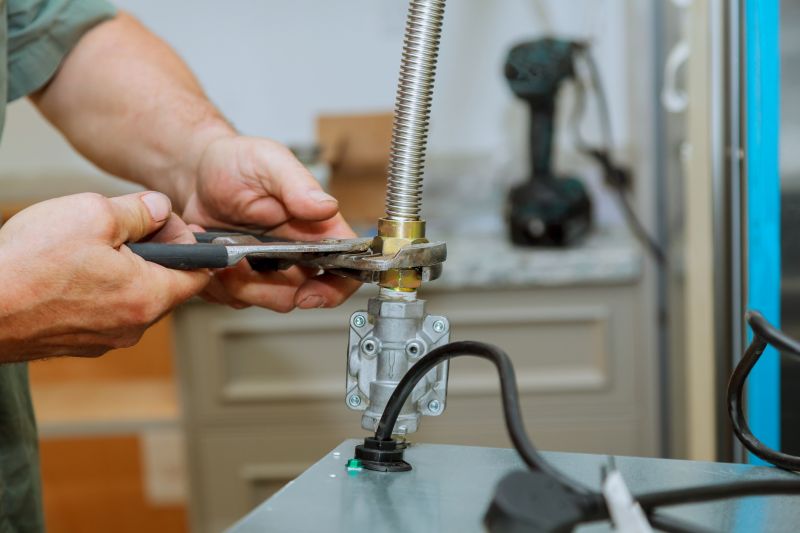
When comparing service providers for professional gas piping installation, it is important to consider their experience with similar projects. Homeowners should inquire about the types of gas piping work the contractors have completed in the past, ensuring they have a solid track record with residential installations. An experienced provider will be familiar with the specific safety considerations and best practices necessary for ensuring the integrity of the piping system, which plays a crucial role in preventing leaks and other hazards. Verifying a contractor’s background with comparable projects can help ensure that the installation is handled with the necessary expertise to promote safety and reliability.
Clear, written expectations are essential when evaluating potential service providers. Homeowners should seek detailed proposals that outline the scope of work, materials to be used, and safety measures that will be implemented during installation. Having this information in writing helps prevent misunderstandings and ensures that both parties are aligned on safety standards and procedures. Well-documented expectations also serve as a reference throughout the project, providing peace of mind that the work will meet safety requirements and industry best practices.
Reputable references and effective communication are key factors in choosing a dependable gas piping installer. Homeowners can ask service providers for references from previous clients who had similar work done, especially those emphasizing safety and quality. Additionally, service providers who communicate clearly and promptly about project details, safety protocols, and potential concerns demonstrate professionalism and a commitment to safety. Good communication fosters trust and ensures that homeowners are well-informed throughout the process, reducing the likelihood of issues arising from miscommunication or overlooked safety considerations.
Property owners often search for safety benefits of professional gas piping installation when they are planning practical projects around their homes and businesses. Local pros provide Professional Gas Piping Installation services for everyday jobs and straightforward project options.
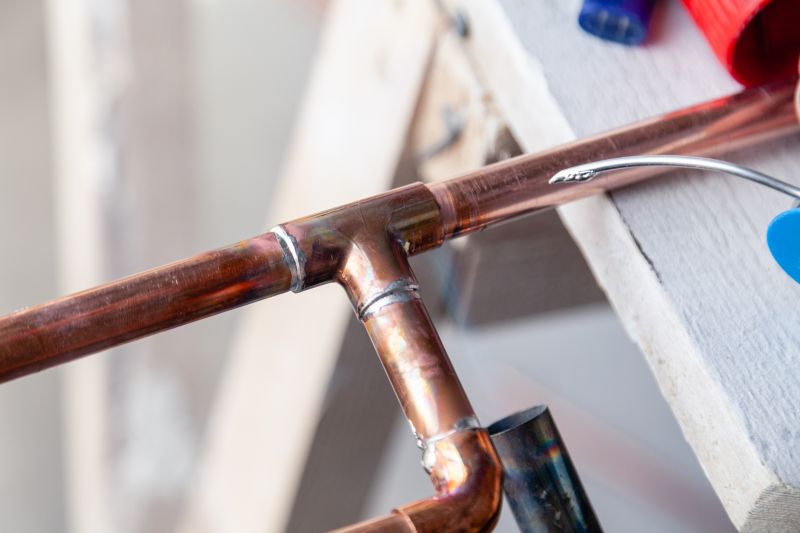
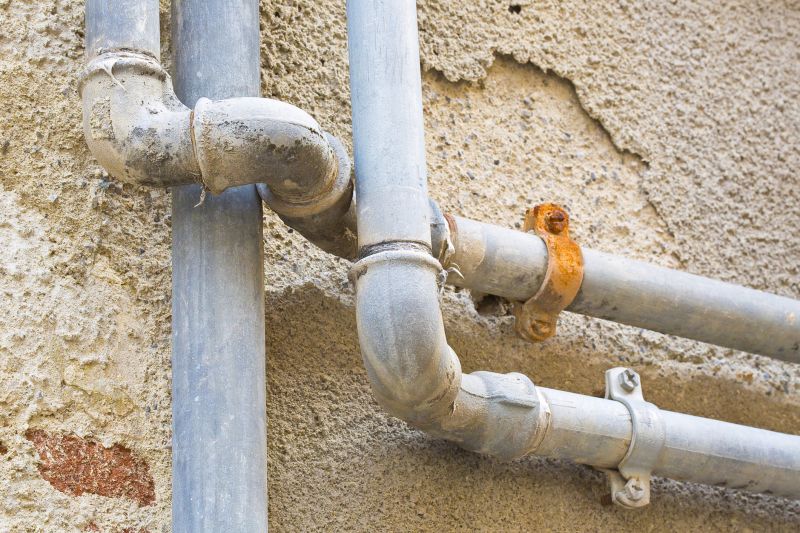
In many property projects around the area, ensuring the safety of gas piping systems is a top priority for homeowners. Improperly installed or outdated gas lines can pose risks such as leaks or potential fire hazards, making professional gas piping installation a wise choice. Local contractors who specialize in this service have the expertise to carefully plan and execute installations, reducing the chance of accidents and ensuring the system operates safely for everyday use.
Homeowners often look into professional gas piping installation to prevent issues that could disrupt their daily routines or compromise their property’s safety. Experienced service providers follow proper procedures and use quality materials to minimize risks associated with gas leaks or system failures. By choosing local professionals, property owners can have peace of mind knowing that their gas piping is installed correctly, helping to maintain a safe environment for their families and homes.
How does professional gas piping installation enhance safety? Professional gas piping installation ensures that the system is properly designed and installed to prevent leaks, reduce the risk of explosions, and minimize potential hazards associated with gas use.
Why is proper installation important for preventing gas leaks? Proper installation by experienced contractors follows safety standards that help detect and eliminate possible leak points, reducing the chance of dangerous gas accumulation.
Can professional installation reduce the risk of fire hazards? Yes, skilled service providers install gas piping with attention to safety protocols, which helps prevent fire hazards caused by improper connections or faulty materials.
How do local service providers improve the overall safety of gas systems? Local contractors use quality materials and adherence to safety practices to ensure reliable connections, decreasing the likelihood of malfunctions or accidents.
What safety benefits come from professional gas piping installation compared to DIY approaches? Professional installation minimizes risks such as leaks, explosions, and fire hazards by ensuring the system is correctly set up and compliant with safety standards.
Proper installation reduces leaks - professional gas piping installation ensures secure connections that minimize the risk of leaks, promoting safety in everyday use.
Code compliance and standards - local contractors follow safety codes during installation, helping property owners avoid hazards related to improper piping.
Enhanced system durability - expert installation prevents corrosion and damage, reducing the chance of dangerous failures over time.
Proper ventilation and safety features - experienced technicians incorporate safety measures like proper venting to prevent dangerous gas buildup indoors.
If you are thinking about safety benefits of professional gas piping installation for a property, this guide is meant to help you understand this topic, the typical project types, and how different options might fit your plans.
When you are ready, you can use the quote form on this page to share a few details about your project. From there, local pros can review the basics and follow up with options that match what you have in mind.